Part 3: Could Regulatory Misalignment Be Delaying Your Submission?
A CDMO can have the best scientists, excellent facilities, and strong technical execution, yet still fall short when it comes to regulatory alignment. This disconnect between scientific performance and regulatory readiness is one of the most damaging red flags in drug development as it could delay getting your molecule into the clinic. Regulatory readiness often does not surface until late in the process, when data packages are being prepared for IND or CTA submission and key details are missing or non-compliant.
The Problem: Great Science Without Regulatory Foresight
In many cases, the issue is not poor science but incomplete awareness of what regulators actually expect. Process descriptions might read more like research notes than formal documentation. Analytical methods may lack robustness or reproducible data. Justifications for starting materials or control strategies might be thin or missing entirely.
This happens when CDMO teams focus on generating scientific results without integrating regulatory input early in the project. The underlying science may be solid, but the data are not organized, justified, or validated in a way that meets submission standards. If this only becomes apparent near filing, pharma companies and biotechs face an uphill battle: additional testing, report rewrites, and, in some cases, full study repeats.
Regulatory misalignment is not an abstract risk. It can delay filings, create credibility issues with health authorities, and erode investor confidence, which is why having a partner who anticipates these gaps early is essential and can make all the difference to a molecule’s success.
Why Regulatory Misalignment Creates Avoidable Risk
Regulatory agencies such as the FDA and EMA expect CMC data to tell a clear, traceable story. Missing, inconsistent, or poorly structured documentation can trigger requests for clarification, extend review timelines, or even lead to rejection of the submission.
Analysis of publicly released FDA Complete Response Letters between 2020 and 2024 shows that quality and manufacturing issues, including CMC-related deficiencies, account for the majority of non-approvals. These findings indicate that delays are most often driven not by failed science, but by gaps in documentation, validation, process control, or regulatory readiness.
For pharma and biotech teams it is possible to work under tight timelines and budgets, and proactively plan regulatory strategy as early as possible. It is imperative to work with a CDMO that has the experience and proactivity to actively avoid setbacks that could otherwise cost valuable months of patent life and jeopardize critical clinical milestones. Aligning scientific and regulatory strategy from the outset is the most effective way to prevent this.
Early Warning Signs to Watch For
The warning signs of regulatory misalignment often appear well before the IND or CTA stage. Watch for:
- Lack of regulatory language: Proposals or reports that do not reference ICH guidelines (Q7, Q8, Q11) or regional expectations.
- No regulatory affairs involvement: If regulatory experts are absent from early CMC discussions, key requirements may be missed.
- Unsubstantiated confidence: Phrases like “we’ve done this before” without context, precedent, or awareness of evolving guidance.
- Data without narrative: Results that are technically correct but not organized in a submission-ready or reviewer-friendly format.
These signals indicate that regulatory strategy is being treated as an end-stage task rather than an integral part of development.
How to Ensure Regulatory Alignment from the Start
The most reliable way to avoid regulatory shortfalls is to embed regulatory thinking into every stage of CMC planning.
Start by:
- Involving regulatory affairs early: Bring regulatory experts into project design so scientific plans align with agency expectations.
- Referencing guidelines from the start: Ensure teams are working to ICH and regional standards and citing them clearly in documentation.
- Preparing submission-ready deliverables: Assemble data in the structure expected for IND or CTA modules as work progresses, not afterward.
- Staying informed: Regulations evolve constantly. Choose a CDMO that monitors new guidance and adjusts its practices proactively.
Integrating regulatory readiness throughout the workflow ensures that generated data are not only scientifically sound but also immediately usable in submissions.
Our Perspective
At Exemplify BioPharma, we treat regulatory alignment as a core component of development, not an afterthought. Our scientists and regulatory specialists collaborate from the earliest stages to ensure every dataset, report, and method can withstand agency scrutiny.
By combining technical depth with regulatory awareness, we help sponsors avoid the rework, delays, and uncertainty that come from incomplete documentation. The result is faster, cleaner submissions and smoother interactions with health authorities.
True quality is more than meeting specifications. It is creating a transparent, defensible record of your science, one that inspires confidence in both regulators and partners.
Next in the Series: Capacity Constraints and Resource Stretch – When “Too Busy” Becomes a Business Risk.
If you’d like to explore all five red flags in depth, fill out the form below to read our full whitepaper: 5 CRO Red Flags You Can’t Ignore: A Guide for Biotechs and Pharma.
Gated content
Experience a deeper understanding of this content by completing the form below.
Resources we think you'll love
Blog

When a clean PK profile is actually a warning sign
Blog

CDMO red flags you can’t ignore: Communication breakdowns
Blog

CDMO red flags you can’t ignore: Capacity constraints and resource stretch
Whitepaper

5 CDMO red flags you can’t ignore: A guide for biotechs and pharma
Blog

CDMO red flags you can’t ignore: Underestimating technology transfer complexity
Blog

O.N.E Symeres: A practical approach to real-world drug development
Blog

CDMO red flags you can’t ignore: Undefined or shifting project scope
Whitepaper
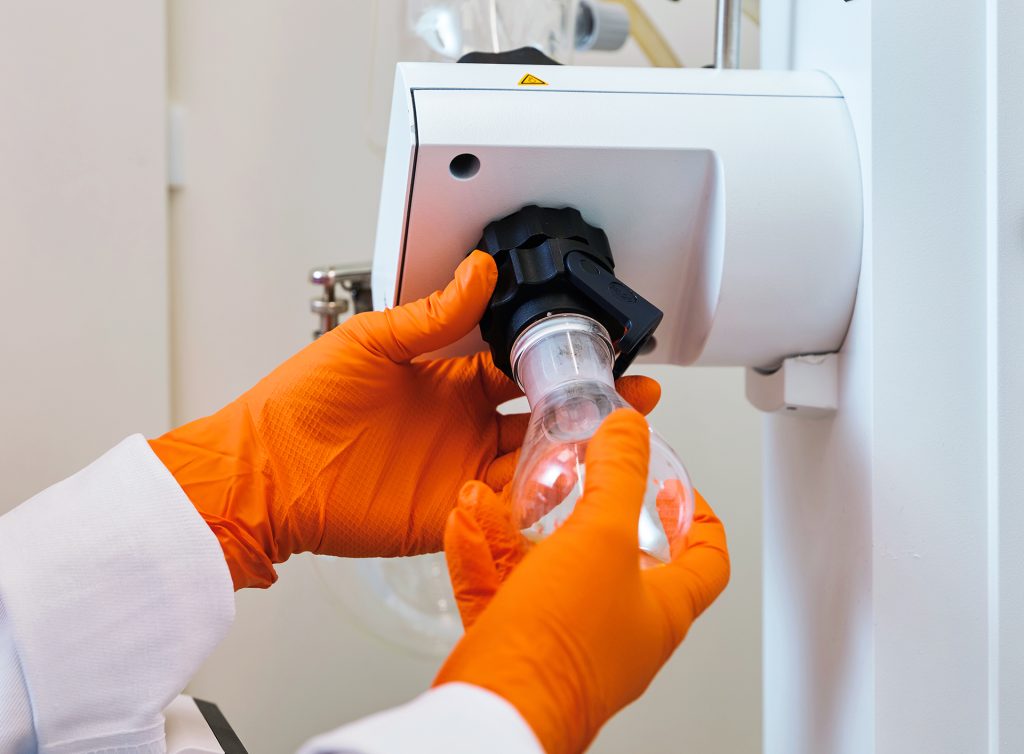
Accelerating chemical innovation: Unveiling Symeres’ parallel chemistry
Webinar | On-demand

From racemic to pure the art and science of enantiomer separation
Whitepaper

IND & IMPD enabling developability roadmap
Whitepaper

Innovations in unnatural amino acids: Advancing functional diversity and applications
Whitepaper

Leveraging copper-catalyzed ullmann-type cross-coupling reactions in PR&D
Whitepaper

Managing nitrosamines in the pharmaceutical industry: A comprehensive approach
Whitepaper
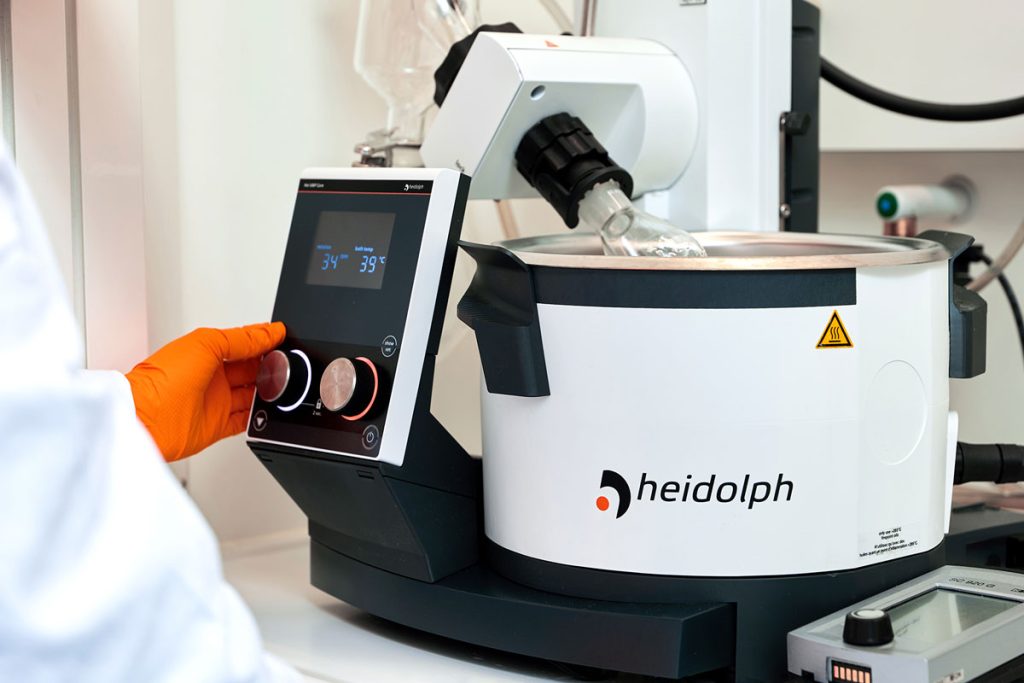
Optimizing solid-state properties and enhancing API bioavailability through physicochemical prediction
Whitepaper

Stable isotope-labeled compounds
Whitepaper

Unlocking the potential of high-throughput screening: Symegold library design and expansion insights
Interviews

Insights into drug discovery and development 2025
Interviews
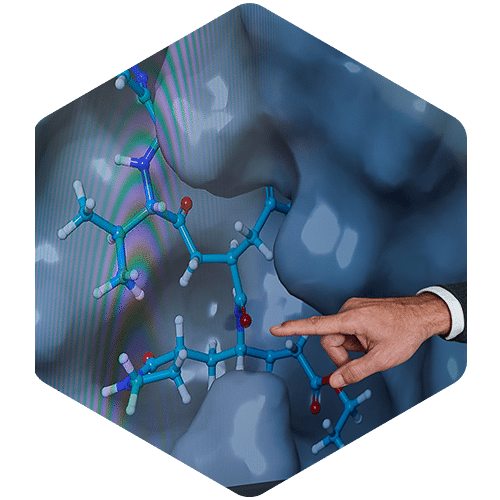
Interview with the computer-aided drug design (CADD) department
Interviews

Meet the Organix Director, Mario Gonzalez
Interviews

Interview with the new Managing Director of Symeres Groningen
Interviews
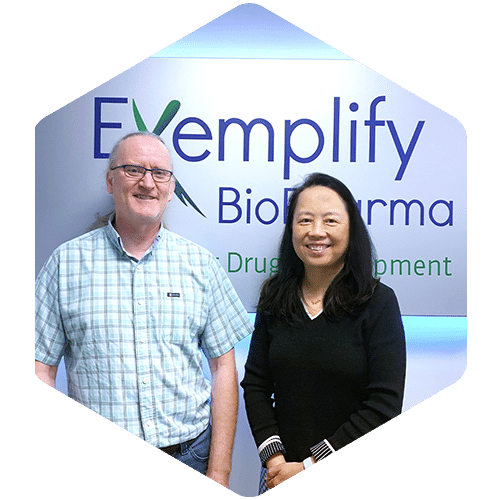
An interview with Yadan Chen and Paul O’Shea
Interviews

An interview with Anu Mahadevan and Paul Blundell
Blog
Crystalline and liquid crystalline 25-hydroxy-cholest-5-en-3-sulfate sodium and methods for preparing same
Webinar | On-demand
In vivo pharmacokinetic experiments in preclinical drug development
Webinar | On-demand

Accelerating medicinal chemistry by rapid analoging
Webinar | On-demand

Solid-state chemistry part II: Optimal form selection by controlled crystallization
Webinar | On-demand
Route scouting for kilogram-scale manufacturing of APIs
Webinar | On-demand
Solid-state chemistry part I: Introduction

Speak with our experts
Let’s discuss how Symeres can support the discovery and development of your next breakthrough